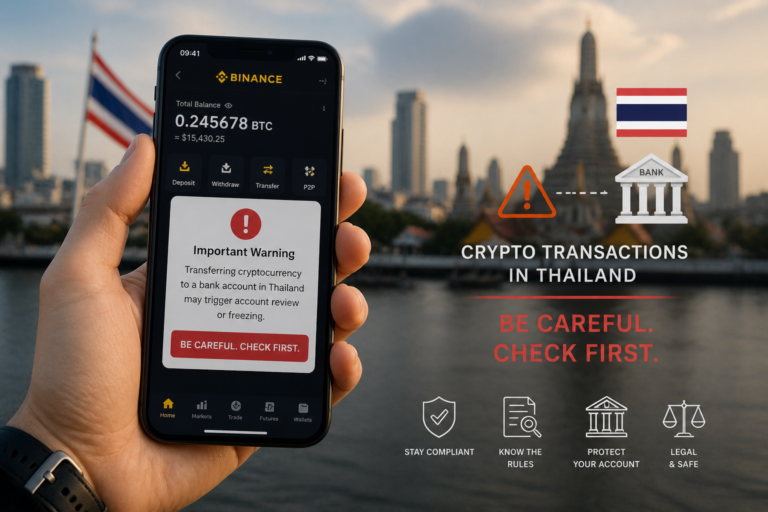
Police Hold on a Thai Bank Account: How the Release Letter Works, Step by Step
Police & cyber police Mike Boldyrev5 min read
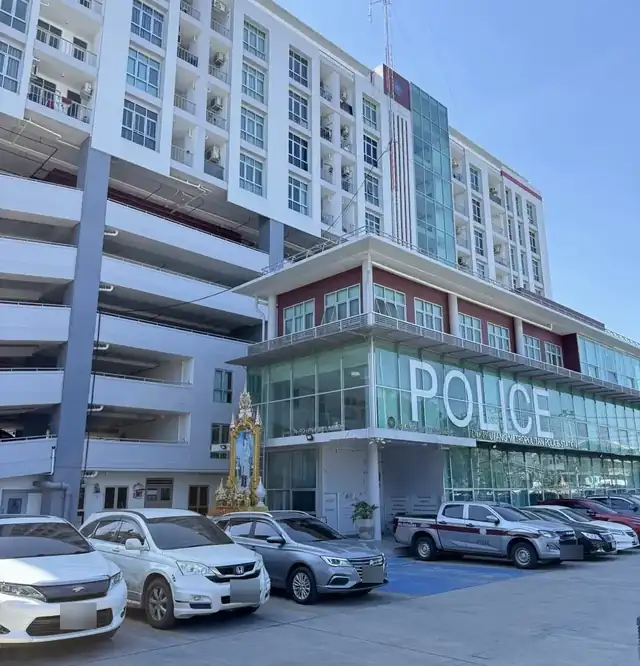
When a Thai police officer opens a case about a transfer, the bank may receive an order to hold your account. In the cases we handle, the hold usually stays until the officer in charge sends the bank a release letter. Waiting rarely helps: one of our clients waited more than two years.
Here is how the process usually goes in our work, from finding out who froze the account to the day the bank lets you use it again.
In short
- What a police hold is: an order from a police officer to your bank, usually linked to a complaint about a transfer
- Who can lift it: the officer handling the case, by sending the bank a release letter
- What the officer usually needs: your statement and evidence about the disputed transfer
- After the letter: the bank’s own review; in our recent cases from one day to about two weeks
- Result: release letter, then the bank lifts the hold
Find out which police station froze the account
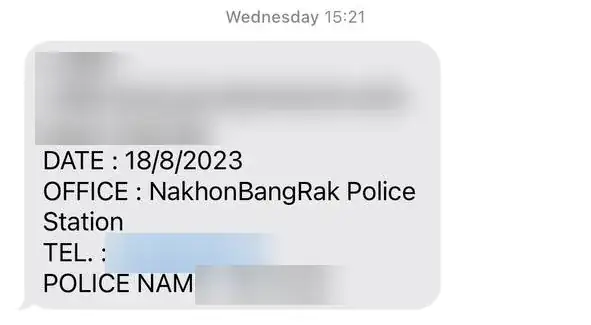
Ask your bank for a printout of the hold. It usually shows which police station issued the order and sometimes the officer’s contact details. Be careful with phone numbers: in one of our cases the bank still had the officer’s old number, and nobody could reach him until we went to the station in Udon Thani.
Check whether there is more than one case
One transfer can lead to several complaints in different places. In one case the first police station lifted its hold, but the bank still refused. Through the 1441 hotline and a visit to the cyber police we found two more cases linked to the same account.
Find out what the officer needs
Try to reach the officer by phone first. If that does not work, go in person. The first meeting is not about the release yet: it is about understanding which documents the officer needs, whether the account holder has to come and what happens next.
Give your statement
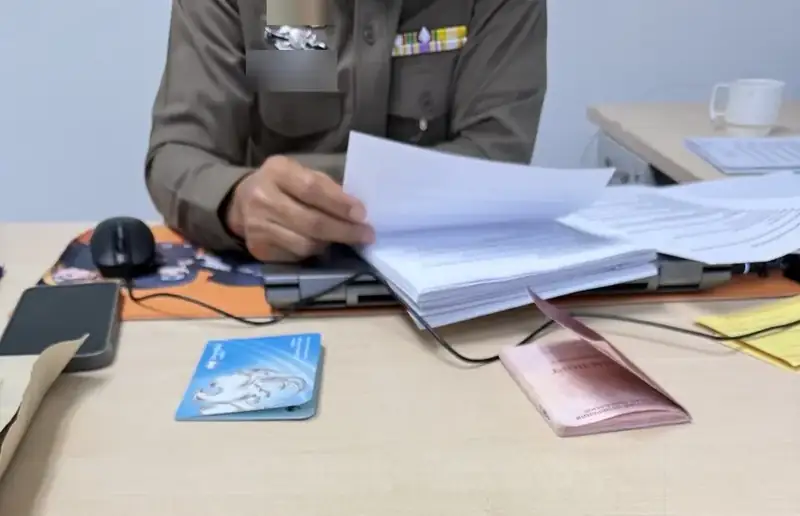
In most of our cases the officer wanted to hear the account holder in person. We interpret and help explain the details clearly. In some cases the officer accepted a statement from us on the client’s behalf, which saved the client a trip.
Provide the evidence in Thai
Usually this means screenshots of chats and transfers, P2P order history, the sender’s details and a written explanation of what happened. We translate everything into Thai so the officer can read it without guessing. Sometimes the officer also needs a report from the Anti-Money Laundering Office (AMLO); here is why.
A settlement, if there is a complainant
Sometimes the person who filed the complaint wants the money back. In one of our cases both sides agreed on a compromise at the police station: the client returned about half of the disputed amount, and the complainant withdrew her case. Whether to agree is always your decision.
The release letter and the bank
When the officer is satisfied, he issues a release letter to the bank. In our cases the letter was issued the same day the full evidence was handed over. Then the bank does its own review. Take a copy of the letter to your branch together with an explanation letter.
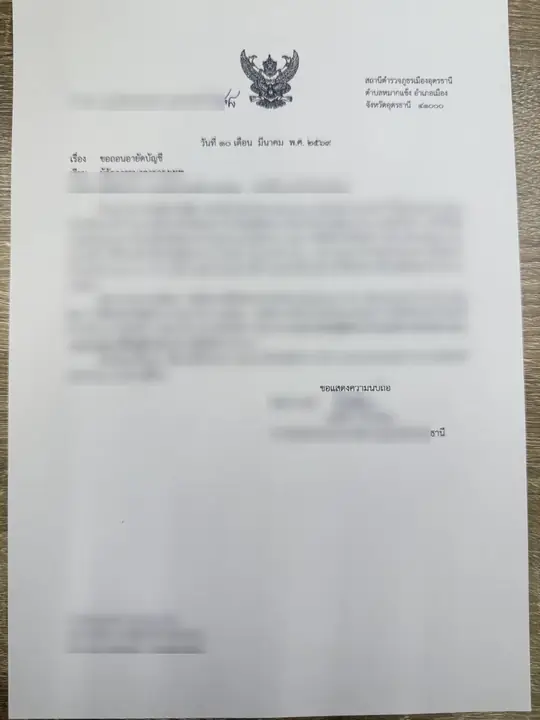
In our recent cases the banks lifted the hold from the next day (Bangkok Bank) to about two weeks later (SCB). Even after the release the bank decides whether to keep the account: in our experience, with a DTV visa banks often release the money but close the account.
Why the process stalls
- The bank has an old phone number for the officer.
- The officer has moved on to other cases and stops replying.
- The evidence is in English or Chinese, and the officer cannot use it.
- Only one of several cases has been closed.
- The account holder is outside Thailand and cannot give a statement.
- Everyone waits for the hold to disappear on its own.
What you can do today
- Get the bank printout of the hold and keep a copy.
- Collect chats, receipts and transfer history for the disputed transaction.
- Write down, in a few sentences, why the money came to your account. Keep this explanation the same everywhere.
- Do not ignore calls or letters from the police.
- Do not let other people exchange money through your account.
Real stories: SCB account frozen for 2 years by a police order, a police hold from Udon Thani and three police holds on one account. Prices are explained in how much it costs to unfreeze a Thai bank account.
More about frozen accounts and police holds is on our dedicated site UnblockThaiBank.com.
Every case is different. The bank and the police make the final decision, and nobody can honestly guarantee the result. We are not a law firm; when a case needs a licensed lawyer, we work with licensed partners.
Is your account frozen by a police order?
Send us the bank name, the police station on the printout and when the hold started. We usually reply the same business day with an honest assessment and a written quote before you pay anything.
Similar posts
 Frozen bank accountsHow Much Does It Cost to Unfreeze a Thai Bank Account? Fees, Timelines and What’s Included08.10.2026
 Frozen bank accountsInterpreter at a Thai Bank: KYC Interviews, Frozen Accounts and Account Opening25.09.2026
 Police & cyber policeRental Scams in Thailand: How to Spot a Fake Condo or Villa Listing Before You Pay04.08.2026

Need help with a bank, visa or business issue?
Tell us what happened, which bank or office is involved and what you need. After a first check, we confirm the scope, the fee and the expected timeline in writing before you pay.
Start your case ↗