Source of Funds for Thai Banks: What to Explain and Which Documents to Provide
Frozen bank accounts Mike Boldyrev5 min read

“Where does this money come from?” Sooner or later a Thai bank asks this. It can be a form when you open the account, a call after a large transfer, or a message that your account is restricted until you bring documents.
Below is why banks ask, which documents work for each kind of income, and how to explain it so the bank closes the question instead of escalating it.
In short
- Why banks ask: Thai anti-money laundering rules require them to know where large or unusual money comes from. It is not an accusation.
- What works: documents that match the transfer: the same name, the same amount, the same dates.
- What does not work: a general story without papers, or screenshots that can be edited.
- Answer quickly: a question ignored for weeks often turns into a full freeze.
Why Thai banks ask about your source of funds
Thai banks must follow the Anti-Money Laundering Act and the rules of the Anti-Money Laundering Office (AMLO). When the money on your account does not match what the bank knows about you, such as your visa, your job or the reason you gave for the account, the bank has to check. If it gets no answer, it can restrict the account or report the transactions to AMLO.
In practice, banks ask most often after a large transfer from abroad, many transfers from different people, crypto or P2P activity, a cash deposit, or a sudden change in how the account is used.
Which documents work for each kind of income
- Salary. Employment contract, payslips for the last months, and statements from the account where the salary arrives.
- Your own business. Company registration documents, invoices or contracts with clients, and the company’s bank statements.
- Savings from abroad. Statements from your home bank that show the money leaving your own account, plus the SWIFT confirmation.
- Sale of property or a car. The sale contract and the statement showing the payment you received.
- Pension. Pension statements or letters, and the account where the pension arrives.
- Crypto. Exchange account statements in your name, the trade and withdrawal history, and P2P order screenshots with the buyer’s name.
- A gift or a loan from family. A signed letter from the sender, a copy of their ID and their bank statement that shows the transfer.
Documents in Russian, Chinese or other languages often need a translation into English or Thai. Ask the branch which language they accept.
How to write the explanation
Banks and police officers read many letters. A short, clear one works better than a long story. Write a signed one-page letter and attach the documents in the same order.
- Who you are. Name, passport number, visa and what you do in Thailand.
- Which transfers. The dates and amounts the bank asked about.
- Where the money came from. One or two sentences per transfer, with the matching document.
- What the account is for now. How you will use it from now on.
Write in English or Thai. A Thai version makes it easier for the branch and the police, especially outside Bangkok.
Common mistakes
- Explaining without documents, or promising to send them “later”
- Documents in another person’s name without a letter that explains the link
- Different stories for the bank and for the police
- Edited screenshots or made-up invoices: this turns a question into a criminal case
- Ignoring the bank’s deadline
If the account is already frozen
First find out who froze it. If it is the bank’s own review, the right documents and a clear letter are usually enough. If it is a police hold, the bank cannot release the account until the police station that opened the case sends a release letter, and the officer will ask for the same documents. How the release letter works
A real case
A client’s SCB account was frozen for about two years after she let an acquaintance receive a payment into it. The officer asked for an official bank statement, screenshots and a written explanation. We wrote the explanation, translated it and the screenshots into Thai, and the release letter was issued on our third visit. Read the full story
How we can help
We help you understand what exactly the bank or the officer is asking for, collect the right documents, write the explanation in Thai and English, and go with you to the branch or the police station. We do not create documents you do not have, and we do not promise the result.
Help with a KYC or source of funds request starts at 26,900 THB, including 7% VAT. Prices and timelines
Questions we often hear
Does a Thai bank accept documents in Russian or Chinese?
Often only with a translation into English or Thai. Ask the branch first; for police cases, a certified translation is safer.
How long does the bank take after I send the documents?
For the bank’s own review, often from a few days to two weeks, depending on the bank and the amount. If there is no answer, ask the branch for the status in writing.
Can crypto income be accepted as a source of funds?
Yes, if it can be traced: an exchange account in your name, the history of trades and withdrawals, and transfers that match it. Money from unknown P2P buyers is the hardest to explain.
This article is general information, not legal advice. Each bank sets its own list of documents, and requirements can change.
The bank asked where your money comes from?
Tell us which bank, what they asked for and the deadline. We usually reply the same business day with an honest assessment.
Similar posts
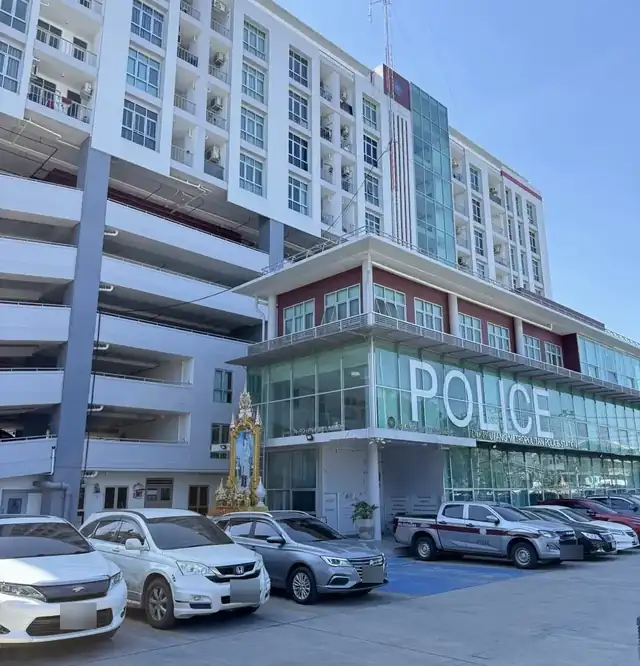 Police & cyber policePolice Hold on a Thai Bank Account: How the Release Letter Works, Step by Step08.10.2026
 Frozen bank accountsHow Much Does It Cost to Unfreeze a Thai Bank Account? Fees, Timelines and What’s Included08.10.2026
 Frozen bank accountsInterpreter at a Thai Bank: KYC Interviews, Frozen Accounts and Account Opening25.09.2026

Need help with a bank, visa or business issue?
Tell us what happened, which bank or office is involved and what you need. After a first check, we confirm the scope, the fee and the expected timeline in writing before you pay.
Start your case ↗