Why Chinese Clients’ Thai Bank Accounts Get Frozen and How to Avoid It (2026)
Frozen bank accounts Mike Boldyrev5 min read
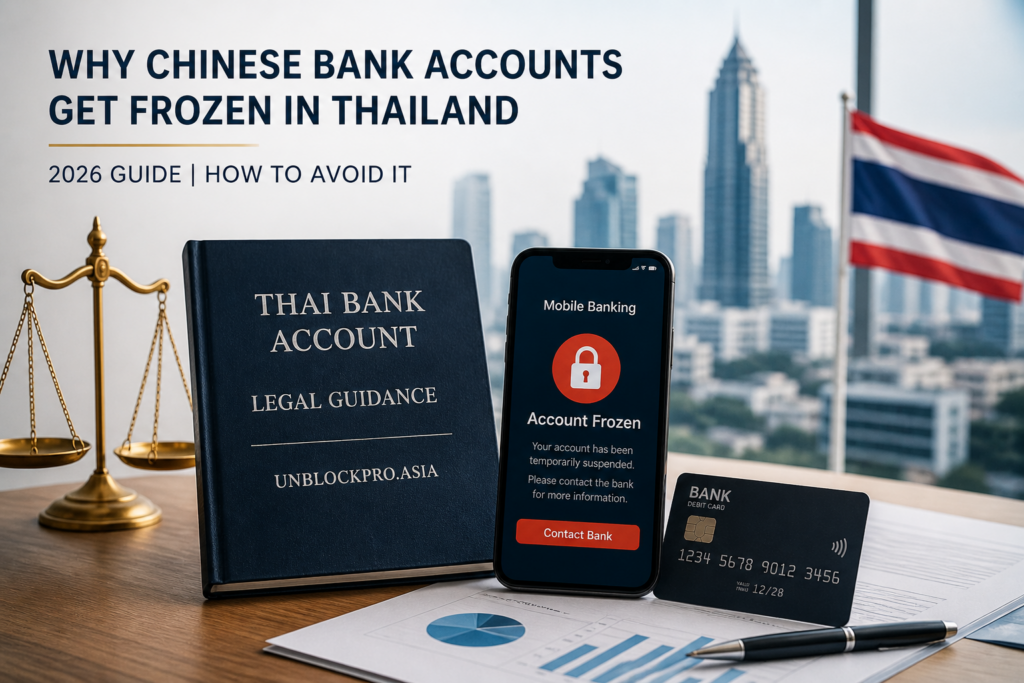
Most Chinese clients who come to us did nothing illegal. They helped a friend exchange money, sold some USDT or received their own income from China. Then the Thai bank account was frozen, sometimes for years.
Below is why this happens so often, which situations carry the highest risk, real cases we handled, and what to do if your account is already frozen.
In short
- The bank checks the money, not your nationality: who sent it, why, and whether it matches your visa and income.
- The biggest risk is other people’s money passing through your account, even once and even for a friend.
- Many freezes are police holds after a complaint about a transfer. Only the police can lift them.
- Even an account frozen for two years can be released if the case is handled correctly.
Why it happens to Chinese clients so often
Thai banks do not freeze accounts because of nationality. But many Chinese clients in Thailand move money in ways that look risky to the bank. China limits how much money a person can send abroad, so people often exchange RMB and baht through friends, chat groups and P2P platforms. For the bank and the police, money from a stranger looks the same whether it was an honest exchange or a scam.
If even one sender later says they were scammed, the police can freeze every account the money passed through, including yours.
Situations with the highest risk
- Helping a friend exchange money. A friend asks you to receive baht into your account and pays you in RMB. If his buyer was a scam victim, it is your account that gets frozen. A real case
- Selling USDT or other crypto P2P. The buyer pays from someone else’s account, and the names do not match. Why P2P is risky in Thailand
- Receiving payments for a business in China into a personal Thai account. Many payments from different people look like a mule account.
- Living in Thailand on income from China without documents. Regular transfers are normal, but the bank may ask where the money comes from.
- A visa that does not match the activity. A student or tourist visa with large business turnover raises questions. Which visas banks accept
How to keep your account safe
- Do not let anyone use your account, not even a close friend, and do not exchange money for people you do not know.
- Send money from China by bank transfer in your own name, and keep the records.
- Keep proof of your income: a salary statement, a business contract or a statement from your Chinese bank.
- Use a business account for business payments, not a personal one.
- If you sell crypto, use a licensed Thai exchange and withdraw only to your own account.
- Answer the bank’s questions on time and keep your visa and passport details up to date. 10 rules to protect your account
Real cases
- SCB, frozen for over two years. A client on a work visa let an acquaintance receive one payment into her account. The money was linked to a police complaint in Ayutthaya, and even her own lawyer could not move the case. We went to the police three times, wrote the explanation in Thai, and the officer issued a release letter. About two weeks after we took it to the bank, the account was unfrozen. Read the full story
- Chinese couple, KBank. The account had been frozen for about two years. We went with the client to the cyber police in Bangkok, and the officer agreed to lift the hold. The bank then said it had not received the notice, so we arranged a call between the bank and the officer, and the letter was sent again by post. The money was released about two months after the police visit.
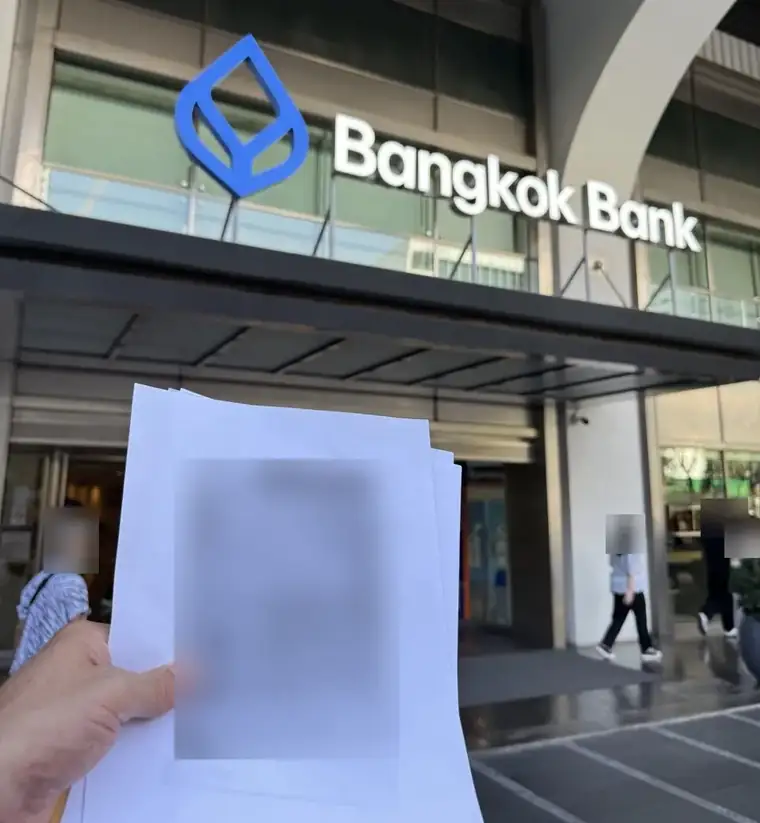
- Student visa, Bangkok Bank. A Chinese student’s account was frozen after a P2P baht exchange with a stranger, and the case was handled by the police in Chiang Mai. We prepared his documents and answers, went with him to the police in Bangkok and followed the case until the Chiang Mai police lifted the hold about a month later.
If your account is already frozen
Do not wait and do not open new accounts to work around it. First find out whether it is a bank restriction or a police hold. What to do in the first 24 hours · Account blocked by the cyber police
How we can help
We work with Chinese clients by WeChat, in Chinese and English. We find out who froze the account, prepare the documents and the explanation in Thai, and go with you to the bank and the police. We cannot promise the result, but we tell you honestly what is realistic before you pay.
Help with a police hold starts at 26,900 THB, including 7% VAT. Prices and timelines
Questions we often hear
Can I unfreeze my Thai account while I am in China?
Often part of the work can be done without you, but the police or the bank may ask you to come in person at least once. We tell you which steps need you before you travel.
Will my account be frozen just because I am Chinese?
No. Banks look at how the account is used. A Chinese client with a clear income and their own transfers usually has no problems.
My friend’s money was frozen in my account. Am I responsible?
The police will first see you as the account owner. That is why you need to explain the situation with documents: the chats, the receipts and whose money it was. In some cases the complainant asks for part of the money back before the case is closed.
This article is general information, not legal advice. Bank requirements change, and each branch can apply them differently.
Account frozen in Thailand?
Send us the bank’s message or printout, the bank and the date. We usually reply the same business day with an honest assessment.
Similar posts
 Police & cyber policePolice Hold on a Thai Bank Account: How the Release Letter Works, Step by Step08.10.2026
 Frozen bank accountsHow Much Does It Cost to Unfreeze a Thai Bank Account? Fees, Timelines and What’s Included08.10.2026
 Frozen bank accountsInterpreter at a Thai Bank: KYC Interviews, Frozen Accounts and Account Opening25.09.2026

Need help with a bank, visa or business issue?
Tell us what happened, which bank or office is involved and what you need. After a first check, we confirm the scope, the fee and the expected timeline in writing before you pay.
Start your case ↗