Is Binance or Bybit P2P Safe in Thailand? Why Thai Banks Freeze Accounts After P2P Trades
Crypto & P2P Mike Boldyrev5 min read
You sell USDT on P2P, the baht arrives, you release the crypto. Everything looks normal. A few weeks later your card stops working and the bank says: “There is a police order on your account.”
In our work, this is the most common way foreigners lose access to their Thai accounts. Below is why it happens, what is legal and what is not, and how to lower the risk.
In short
- The platform is not the problem. The bank transfer from a stranger is. If that money came from a scam, the victim’s complaint reaches your account.
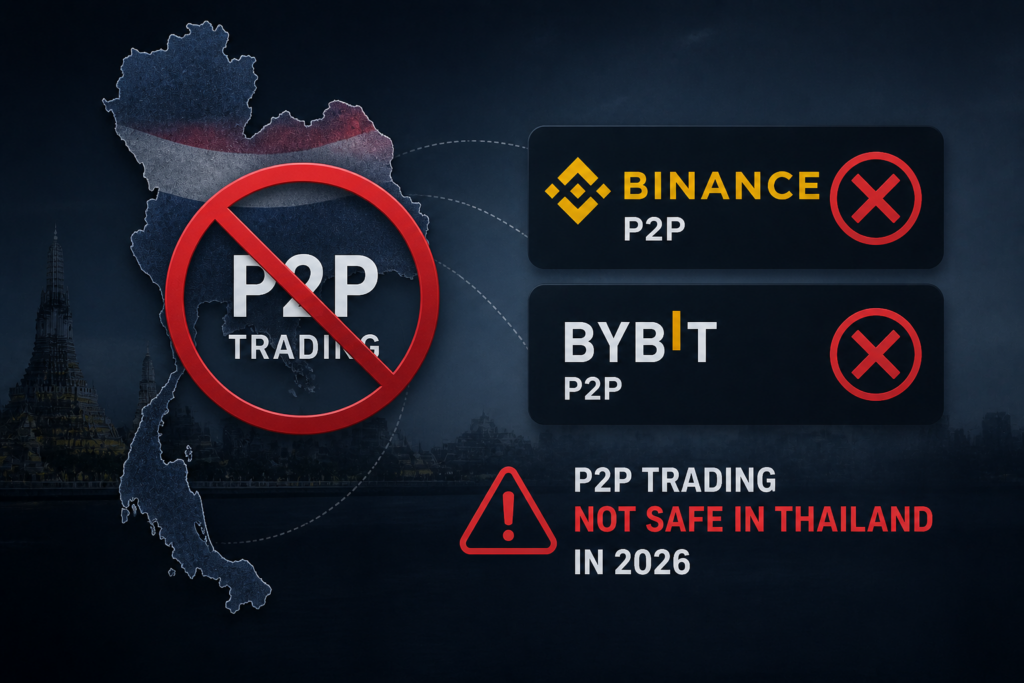
- Bybit and OKX: blocked in Thailand since June 2025 as unlicensed exchanges. Binance works in Thailand through a licensed local platform, Binance TH.
- The typical result: a police hold. It is lifted with a release letter from the police station that opened the case, not by the bank.
- Lower the risk: licensed Thai exchanges, payments only from accounts in the buyer’s own name, and a full record of every trade.
Why P2P leads to frozen accounts in Thailand
In a P2P trade you do not control where the buyer’s baht comes from. Scammers use P2P to cash out stolen money: the victim sends baht to a “mule” account, and from there it goes to you as payment for crypto. When the victim reports the scam, the police follow the money and put a hold on every account it passed through, including yours.
Thailand has become strict about this. Since 2023, opening or lending a bank account for online fraud is a crime, and banks watch closely for accounts that receive many transfers from different people. A personal account with dozens of payments from strangers looks exactly like a mule account, even if you only traded crypto.
Is P2P legal in Thailand?
Buying and selling crypto for yourself is not illegal in Thailand. What is regulated is the business: exchanges must be licensed by the Thai SEC. In June 2025 Thailand blocked access to several unlicensed exchanges, including Bybit and OKX. Binance operates in Thailand through Binance TH, a licensed local exchange.
The real legal risk of P2P is different: if your account received stolen money, you will have to explain the trade to the police, even if you did nothing wrong. This is not legal advice; for your own situation, check with a licensed lawyer.
Real cases from our practice
- A Chinese student, P2P baht exchange. One payment from a stranger was disputed, and the account was frozen on a police case from Chiang Mai. We prepared his documents and answers, went with him to a police station in Bangkok and followed up with Chiang Mai for weeks. About a month later the hold was lifted.
- DTV visa, Pattaya, three police holds. The client exchanged crypto for a friend, and the sender’s name did not match. We found three separate cases, gave statements and met the complainant. The bank released about 150,000 THB and kept the account open. Read the full story
- Released, then frozen again. A long-term client got his Bangkok Bank account released after a police hold from Udon Thani and opened a new account at SCB. He kept trading P2P against our advice, and both accounts were frozen again. Each new case had to be closed one by one over several months.
The lesson: a release letter closes one case. If the same trading continues, new cases follow.
How to lower the risk if you trade crypto
- Use a licensed Thai exchange. Convert to baht there, so the money comes from the exchange, not from strangers.
- Check the name. Accept payment only from an account in the buyer’s own name, the same name as on the P2P platform.
- Do not trade for friends. And do not let anyone use your account to receive money.
- Keep a separate account. Use one account for crypto and another for salary, rent and daily life.
- Save everything. Screenshots of each order, the chat, the buyer’s name and the bank slip. Without them it is hard to explain the trade to the police.
If your account is already frozen after P2P
First find out who froze it. Ask the bank for a printout of the hold: it shows whether it is the bank’s own review or a police order, and which police station. For a police hold, you need to give a statement and get a release letter from that station. The bank usually lifts the hold days or weeks after it receives the letter. How the release letter works
Our help with a frozen account starts at 26,900 THB, including 7% VAT. The price depends on the number of cases and police stations. Prices and timelines
Questions we often hear
Is Binance P2P legal in Thailand?
Trading crypto for yourself is not a crime. The risk is receiving baht that came from a scam. Then you will need to explain the trade to the police, and your account can be frozen while they check.
Can I still use Bybit in Thailand?
Thailand has blocked access to Bybit since June 2025 because it has no Thai licence. Using unlicensed platforms adds risk when you need to explain your money to a bank.
Will the bank unfreeze my account if I explain it was P2P?
Not for a police hold. The bank cannot lift it without a letter from the police station that opened the case. For the bank’s own review, a clear explanation with screenshots and statements often helps.
Freezes after P2P trades are explained in more detail on our dedicated site UnblockThaiBank.com.
Every case is different. The police and the bank make the final decision, and nobody can honestly guarantee that an account will be released.
Account frozen after a P2P trade?
Tell us which bank, when it happened and what the bank told you. We usually reply the same business day with an honest assessment.
Similar posts
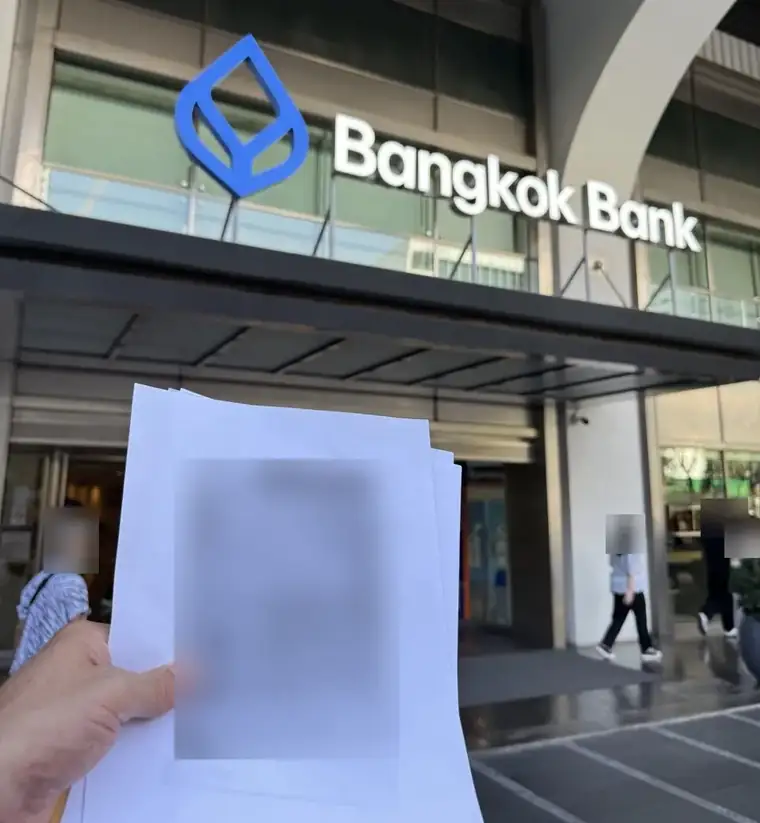
 Police & cyber policePolice Hold on a Thai Bank Account: How the Release Letter Works, Step by Step08.10.2026
 Frozen bank accountsHow Much Does It Cost to Unfreeze a Thai Bank Account? Fees, Timelines and What’s Included08.10.2026
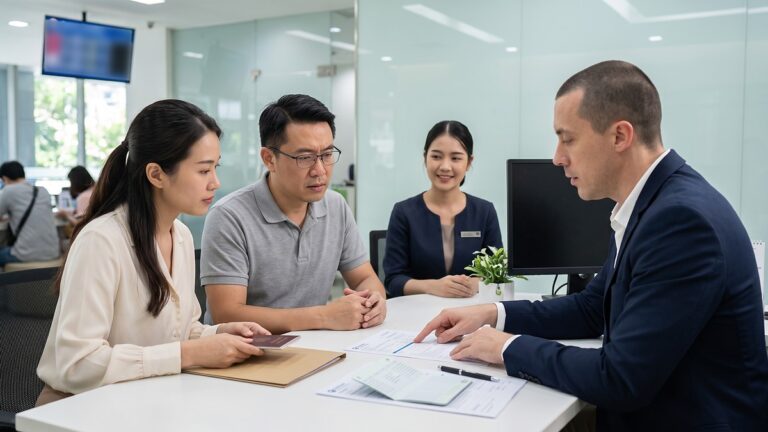 Frozen bank accountsInterpreter at a Thai Bank: KYC Interviews, Frozen Accounts and Account Opening25.09.2026

Need help with a bank, visa or business issue?
Tell us what happened, which bank or office is involved and what you need. After a first check, we confirm the scope, the fee and the expected timeline in writing before you pay.
Start your case ↗